iTunes | Google Play | RSS (Soundcloud) | Stitcher
Welcome to the Ada Lovelace Day podcast, highlighting the work of women in STEM. Each month, we talk to women from around the STEM world about their careers, as well as talking to women and men, about historic and modern women’s achievements, discoveries, and inventions.
In this episode
00:50: Yasmin Ali talks to Suw about life as a chemical engineer.
09:20: Ada Lovelace Day Live! audience members tell us about the women in STEM that they admire.
12:15: Miranda Lowe talks about her work as a curator at the National History Museum.
21:25: Geek songstress Helen Arney performs the Element Song, with creative input from the ALD Live crowd.
27:02: Dr Brenna Hassett tells us about the stories our skeletons can reveal, and about some of the groundbreaking women in archaeology.
Our interviewees & performers
Yasmin Ali
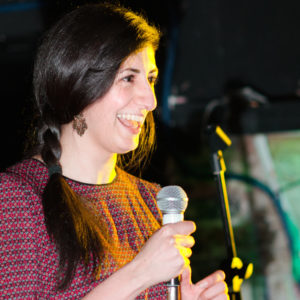
Photo: Engineering Showoff
Yasmin is a chartered chemical engineer in the energy industry, with experience in coal and gas-fired power stations, as well as the UK oil and gas sector.
Outside of work Yasmin is a keen volunteer and dedicates much of her time to promoting engineering at schools, career fairs and festivals, with a variety of organisations including the IET, IChemE, and WES. She is also passionate about informing the public about engineering through the media, and has worked with the BBC’s science unit. Yasmin also enjoys stand-up comedy, music and sports!
Twitter: @engineeryasmin
Miranda Lowe
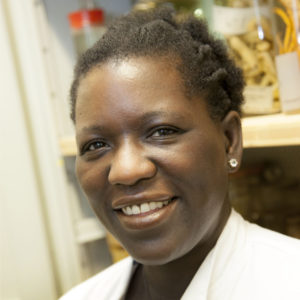
Photo: © Trustees of the Natural History Museum, London
Miranda Lowe is a museum scientist and Principal Curator at the Natural History Museum, London. She is responsible for many historically important oceanographic specimens, including specimens from the Discovery and Challenger expeditions, and Charles Darwin’s barnacles. Her specialist area of interest is marine invertebrates especially Crustacea and Cnidaria.
As a Fellow of the Royal Society of Biology she communicates her science, and has appeared on BBC Radio 4, BBC Four and CBBC. She is passionate about the role that science and museums play in our understanding of the natural world, and her favourite birds are puffins! Miranda was a finalist at the National Diversity Awards in the ‘Positive Role Model Award for Race, Religion & Faith’ category in 2013.
Twitter: @nathistgirl
Web: LinkedIn
Helen Arney
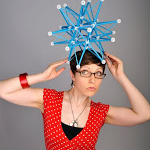
Credit: Steve Ullathorne
Helen is a self-professed geek songstress, who writes maths and science-inspired comedy songs and performs across the UK as herself, and with “Festival of the Spoken Nerd”. Helen’s first book, The Element In The Room, “a rib-tickling, experiment-fuelled and fully illustrated guide to the science that’s all around us”, is co-written with Steve Mould and out on 5 October. You can download a free sample from Amazon and preorder the book now!
Web: helenarney.com
Twitter: @helenarney
Dr Brenna Hassett
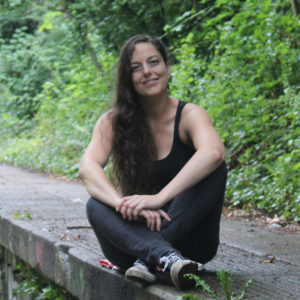
Photo: Rachel Fisher
Brenna Hassett is an archaeologist who specialises in using clues from the human skeleton to understand how people lived and died in the past. Her research focuses on the evidence of health and growth locked into teeth, and she uses clues from both teeth and bones to investigate how children grew (or didn’t) across the world and across time.
She has worked at the Pyramids in Giza, a 10,000 year old village in Anatolia, and a series of basement labs in between, and her book Built on Bones: 15,000 Years of Urban Life and Death is a fast-paced and frequently humorous journey through our recent evolution into a majority-urban species.
Brenna is also one-quarter of the TrowelBlazers project, an outreach, advocacy, and academic effort to celebrate women’s contributions to the trowel-wielding arts.
Twitter: @brennawalks & @trowelblazers
Web: Passim in Passing
Thanks to our sponsor
This podcast is brought to you thanks to the generous support of ARM, our exclusive semiconductor industry sponsor. You can learn more about ARM on their website at ARM.com and you can follow them on Twitter at @ARMHoldings.
Credits
Episode edited by Andrew Marks.


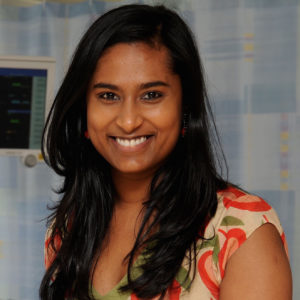

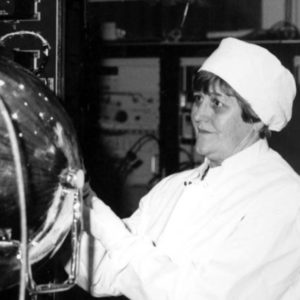 Discovery of the month
 Nicole George is currently completing her Master’s of Neuroscience at McGill University, after graduating with a Bachelor’s degree in Kinesiology from the University of Windsor. She is currently studying the pathophysiology of chronic pain. You can follow her on Twitter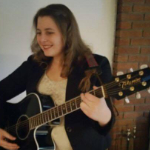
 Nicole and Cordon were talking about